
In the study
Kravos & Guadagno
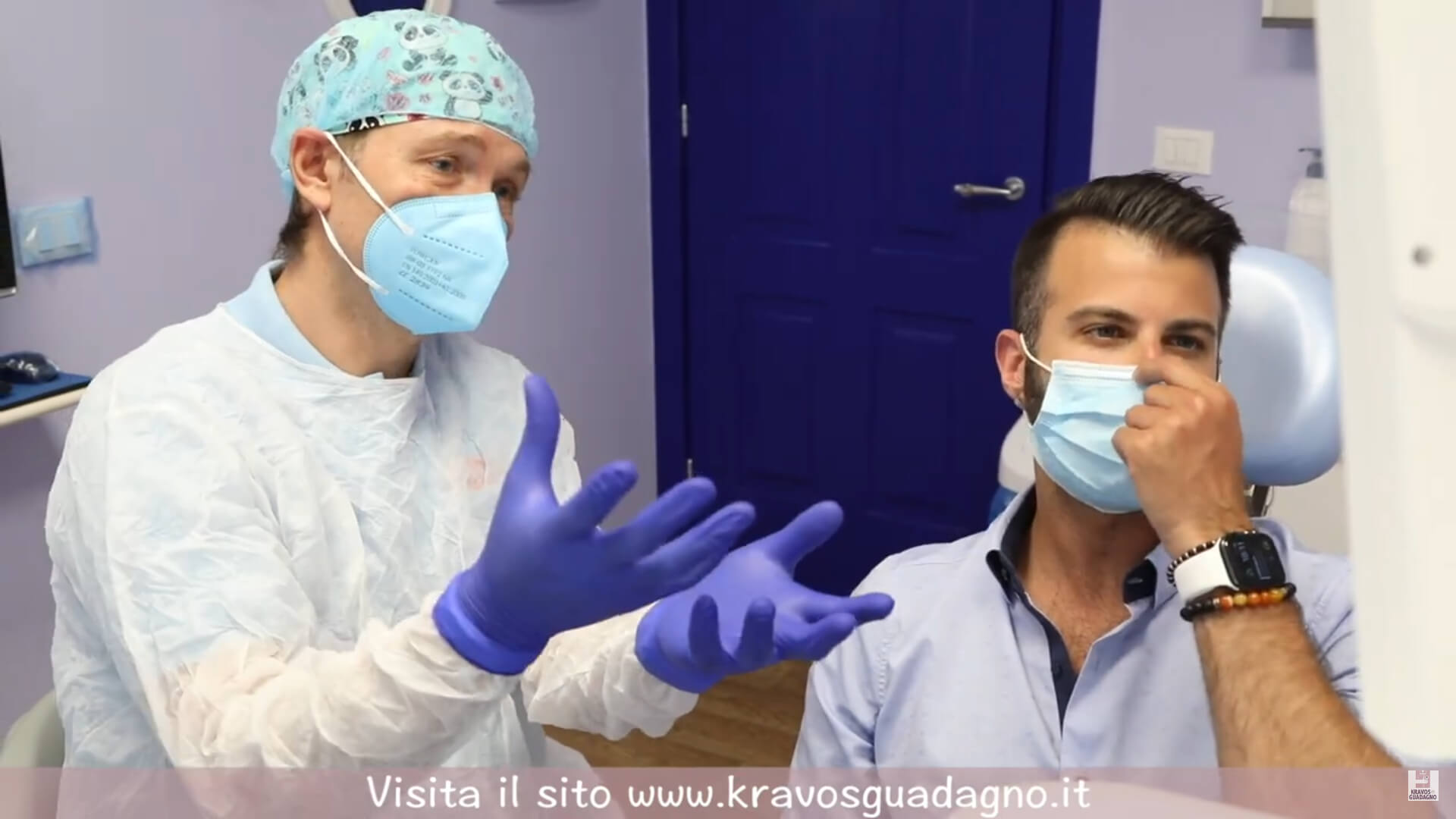
Attention, patient relationship, and cutting edge come together in order to present you with the best possible solution
We analyze every possible solution that can save your tooth, prior to any invasive surgery.
In our practice, the patient is considered in the round and is treated as a friend from the first time of admission.
The state-of-the-art instrumentation we are equipped with allows us to give you the highest accuracy at all times.
Have you lost any dental elements and this makes you feel uncomfortable?
Or do you feel like they are about to fall out due to excessive tooth mobility?
It is never too late to get your smile back!
Unfortunately, it’s a fairly common problem that can occur due to poor care, the presence of untreated tooth decay over time, or even, a disease that acts silent but can cause major damage-I’m talking about periodontitis.
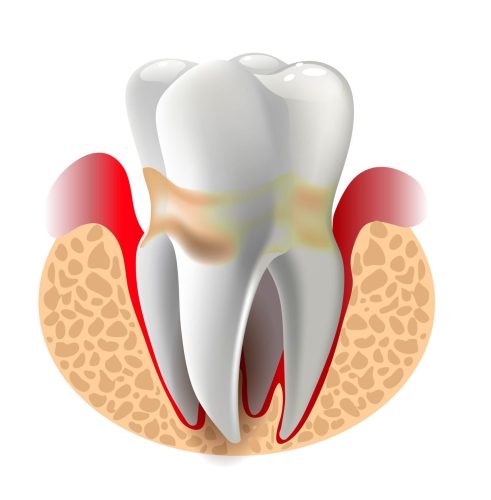
What is periodontitis?
Periodontitis is a sneaky disease and the leading cause of tooth loss. It acts directly on the gums, causing them to recede, to such an extent that the tooth, no longer having a solid “foundation” on which to rest, irrevocably falls out.
Many people suffer from it, live with it, and get used to the idea of living with a mouth lacking dental elements, making a big mistake.
Why? Because in addition to cosmetic discomfort, the loss of one or more teeth can lead not only to the loss of others, but also to problems related to digestion.
In fact, the digestive process, begins right inside our mouth, where teeth have the task of “chopping” what we eat for good and “preparing” it to be ingested properly.
If this task is lacking, it is normal for our body to go into distress, and with advancing years, to manifest diseases that, in the long run, can really become chronic.
For all these reasons, it is advisable to book a visit periodically. To intervene in time and specifically assess the best treatment related to your case.
Why in the Kravos & Guadagno study?
In our practice, patient care is not directed only at the individual tooth. The patient is considered in the round and, is treated as a friend from the first time he or she enters. The relationship we create with our patients allows us to make them fully understand what problems their mouth presents and understand all possible avenues to take.
In fact, our task is to accompany the patients along this path, finding the right solution for their health, without neglecting the aesthetic aspect and coming at the end of this path together and in harmony, to build a true therapeutic alliance.
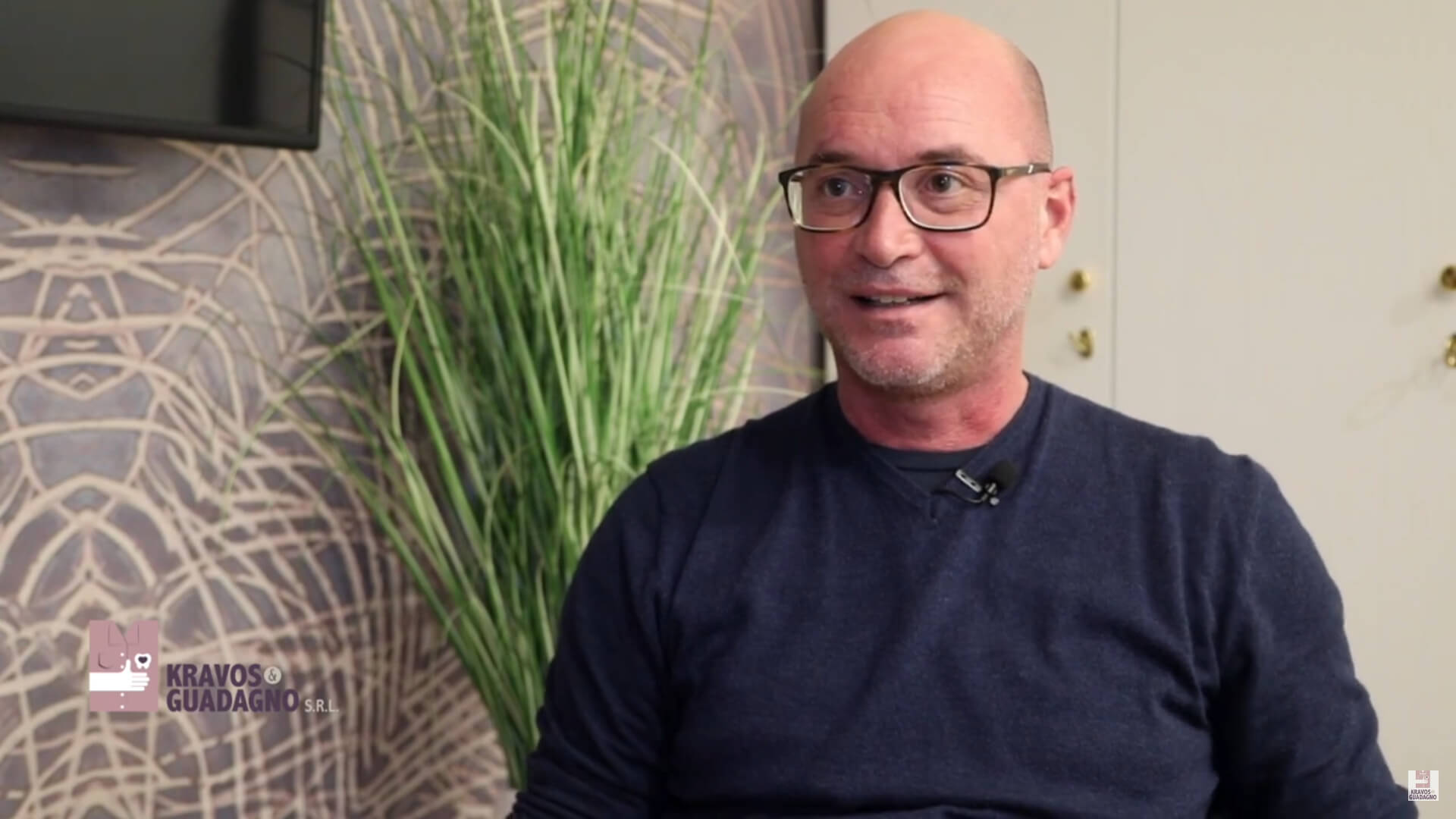
Listen to those who have relied on us

Book your first visit
Start now to protect your dental health
Enter your information in the form below to learn more and book your first visit